
For many small businesses, Microsoft 365 has become the center of daily operations: email, calendars, files, Teams messages, shared documents, and client communications often all live in one place. That convenience is powerful, but it also means that one compromised password can create a serious business problem. Cybercriminals do not always need to “hack” a network in a dramatic way; often, they simply trick someone into giving up login credentials through a convincing phishing email or fake sign-in page. The Cybersecurity and Infrastructure Security Agency (CISA), a U.S. government agency that provides cybersecurity guidance for businesses and public organizations, continues to identify phishing avoidance, strong passwords, multifactor authentication, and software updates as core cybersecurity practices for businesses.
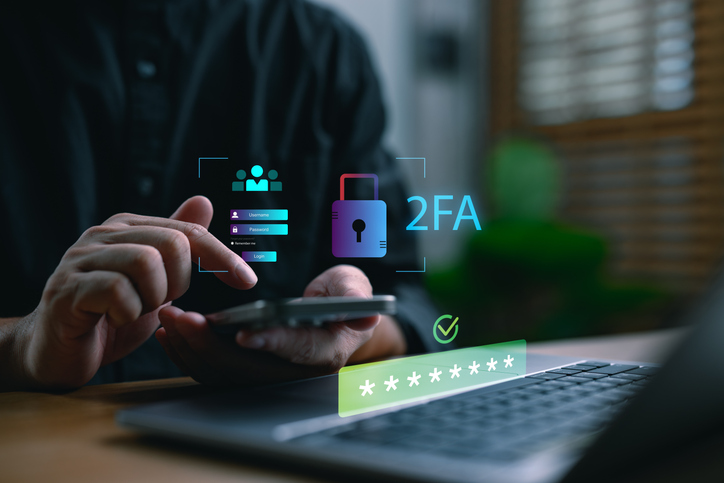
One of the most important protections small businesses can enable is multifactor authentication, or MFA. MFA requires users to verify their identity with something beyond a password, such as an authentication app, security key, or other approved method. Microsoft states that MFA improves account security by requiring a second verification method for sign-ins, and Microsoft 365 organizations can use options such as Security Defaults or Conditional Access policies depending on their licensing and security needs. Microsoft has also been moving toward stronger MFA requirements for administrative access, including mandatory MFA for the Microsoft 365 admin center beginning in 2025.
For small businesses, the takeaway is simple: Microsoft 365 security should not be left on autopilot. Business owners should confirm that MFA is enabled, admin accounts are especially protected, inactive users are removed, software updates are current, and employees know how to spot suspicious login requests. AXICOM can help review your Microsoft 365 environment, identify gaps, and make sure security settings match the way your business actually works. A few small changes now can help prevent account takeovers, data loss, business interruption, and expensive emergency recovery later.